
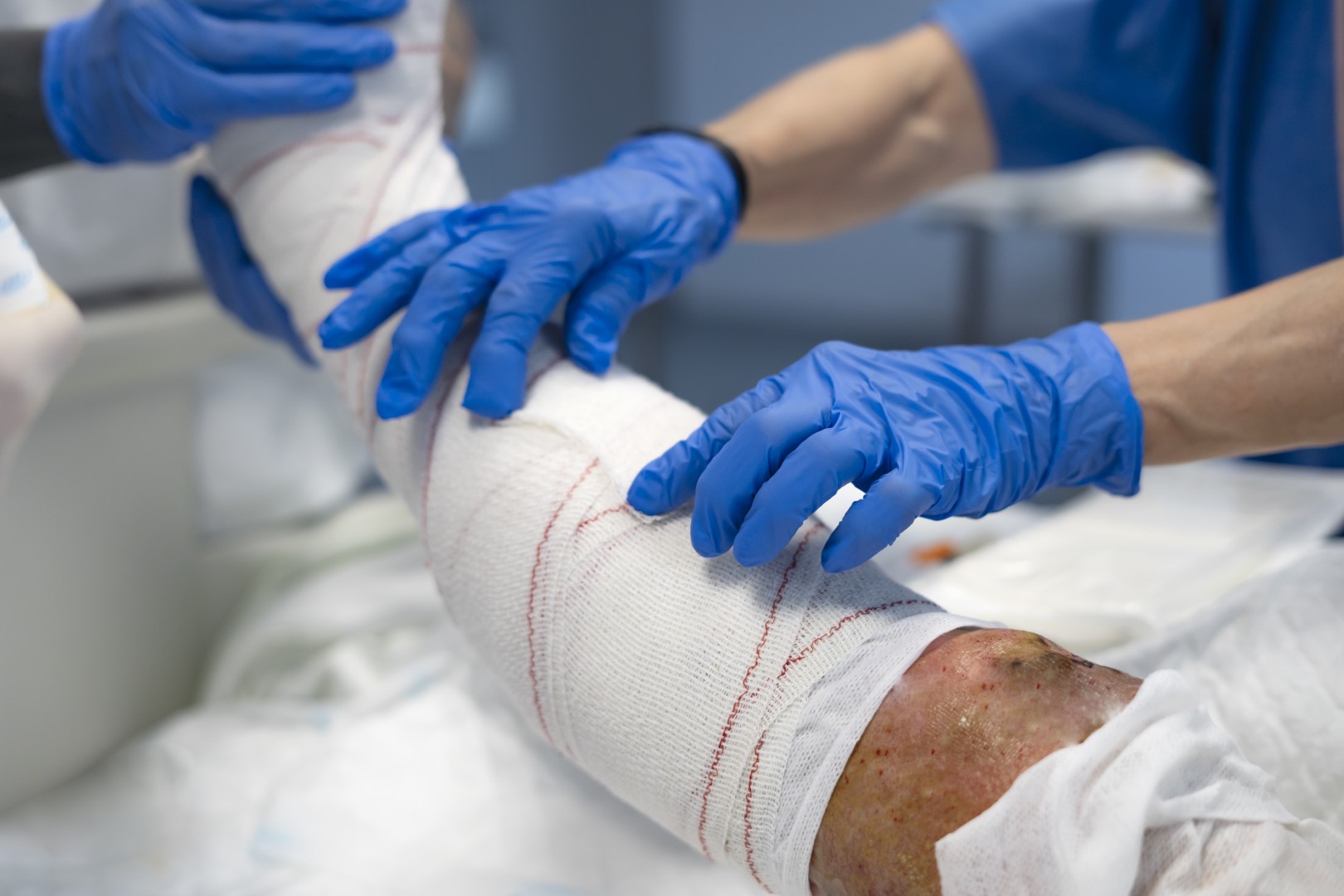
Radiation therapy can play an essential role in treating cancer. However, it may also cause tissue damage that appears months or even years later. When damaged skin breaks down and cannot heal normally, a radiation-induced ulcer may develop. Fortunately, specialized radiation-induced ulcer treatment can address the complex factors preventing recovery.
These wounds often require more than basic dressings or routine home care. Therefore, patients should seek an evaluation from an experienced wound care specialist. NYC Wound Care Center provides advanced, personalized care for radiation-related wounds throughout New York City.
What Is a Radiation-Induced Ulcer?
A radiation-induced ulcer is a chronic wound that develops in an area previously exposed to radiation therapy. Radiation can damage the skin, small blood vessels, connective tissue, and surrounding structures.
As a result, the treated area may receive less oxygen and fewer nutrients. The tissue may also become stiff, thin, or fragile. Even a minor injury can then trigger skin breakdown.
Radiation-related tissue changes may continue long after cancer treatment ends. Consequently, some wounds appear years after the original therapy. Patients may not immediately connect the wound with their earlier radiation treatment.
Why Radiation-Induced Ulcers Can Be Difficult to Heal
Normal wound healing depends on healthy circulation, oxygen, immune activity, and new tissue growth. Radiation can interfere with each part of this process.
Damaged blood vessels may reduce oxygen delivery to the affected area. Meanwhile, fibrosis can make the surrounding tissue less flexible. The body may also struggle to create healthy new blood vessels.
Furthermore, irradiated tissue may have a reduced ability to fight infection. Pressure, friction, swelling, or another medical condition can make healing even harder.
For these reasons, radiation-induced ulcer treatment must address the entire wound environment. Covering the wound alone may not resolve the underlying tissue damage.
Warning Signs That Require Medical Attention
Radiation-related skin changes should receive medical attention when they worsen or fail to improve. Common warning signs can include:
- An open sore within a previously treated area
- Increasing pain or tenderness
- Skin discoloration or hardening
- Persistent drainage or bleeding
- Swelling around the wound
- Foul odor or unusual discharge
- Expanding redness or warmth
- Exposed tissue beneath the skin
- Fever or other symptoms of infection
Early evaluation is important. Otherwise, the wound may deepen, become infected, or damage nearby structures.
How Specialists Evaluate Radiation-Related Wounds
Effective radiation-induced ulcer treatment begins with a comprehensive assessment. A wound care provider examines the wound’s size, depth, location, drainage, and tissue condition.
The provider also reviews the patient’s radiation history. This includes where treatment occurred and how long ago it ended. Additionally, the care team may evaluate circulation, infection risk, nutrition, mobility, and other health conditions.
This detailed assessment helps identify every barrier to healing. The specialist can then create a treatment plan based on the patient’s individual needs.
Advanced Radiation-Induced Ulcer Treatment Options
No single therapy works for every radiation-related wound. Instead, treatment may combine several advanced techniques.
Specialized Wound Dressings
Modern dressings help protect fragile tissue and control wound moisture. They may also manage drainage while supporting a healthier healing environment.
The correct dressing depends on the wound’s depth, location, and drainage level. Therefore, patients should follow their provider’s instructions instead of choosing products without guidance.
Debridement
Dead or damaged tissue can prevent healthy tissue from growing. Debridement removes this material and creates a cleaner wound surface.
However, irradiated tissue requires careful handling. A trained wound care specialist can determine whether debridement is appropriate and which method offers the safest approach.
Hyperbaric Oxygen Therapy
Hyperbaric oxygen therapy, commonly called HBOT, may help selected patients with radiation-related tissue damage. During treatment, the patient breathes oxygen inside a pressurized chamber.
This process increases the amount of oxygen carried through the bloodstream. As a result, more oxygen may reach damaged tissue and support new blood vessel development.
HBOT is not appropriate for every wound. Nevertheless, it can become an important part of a comprehensive treatment plan after a clinical evaluation.
Negative Pressure Wound Therapy
Negative pressure wound therapy uses controlled suction and a specialized dressing. This treatment can remove excess fluid, reduce swelling, and encourage granulation tissue formation.
It may be considered for deeper or more complex wounds. However, treatment decisions depend on the wound’s condition and surrounding tissue.
Infection Management
Radiation-induced ulcers can become vulnerable to bacterial infection. Therefore, specialists monitor for increased drainage, odor, redness, swelling, or systemic symptoms.
Treatment may involve wound cleansing, antimicrobial dressings, or medication. Prompt infection control can help prevent further tissue damage.
Skin Substitutes and Tissue Reconstruction
Some wounds may require additional tissue support. Bioengineered skin substitutes, grafts, or reconstructive procedures may help cover the area and promote closure.
The care team determines whether these options are appropriate after evaluating tissue quality and wound depth.
Supporting Healing Between Appointments
Professional care remains central to recovery. However, patients can also support their radiation-induced ulcer treatment at home.
Protect the affected area from pressure, friction, and accidental injury. Keep dressings clean and change them only as directed. In addition, maintain adequate nutrition and hydration.
Patients should also manage conditions such as diabetes or vascular disease. These conditions can further reduce the body’s healing ability.
Finally, report new pain, odor, swelling, drainage, redness, or fever promptly. Small changes can provide important clues about the wound’s condition.
Personalized Wound Care in New York City
Radiation-related wounds can affect comfort, mobility, confidence, and quality of life. However, patients do not have to manage these complex wounds alone.
NYC Wound Care Center provides personalized care for chronic and non-healing wounds, including radiation-induced ulcers. Its experienced team evaluates the complete clinical picture before recommending treatment.
Depending on the patient’s needs, care may include advanced dressings, HBOT, NPWT, debridement, infection management, or tissue reconstruction. In-clinic and home care options also make specialized services more accessible.
Take the Next Step Toward Better Healing
A wound in a previously irradiated area should never be ignored. Early specialized care may reduce complications and identify hidden barriers to recovery.
NYC Wound Care Center combines advanced technology with compassionate, patient-centered support. Each radiation-induced ulcer treatment plan reflects the wound, medical history, and personal needs of the patient.
Contact us today to schedule an evaluation with NYC Wound Care Center. The right care plan can help protect damaged tissue and create better conditions for healing.