
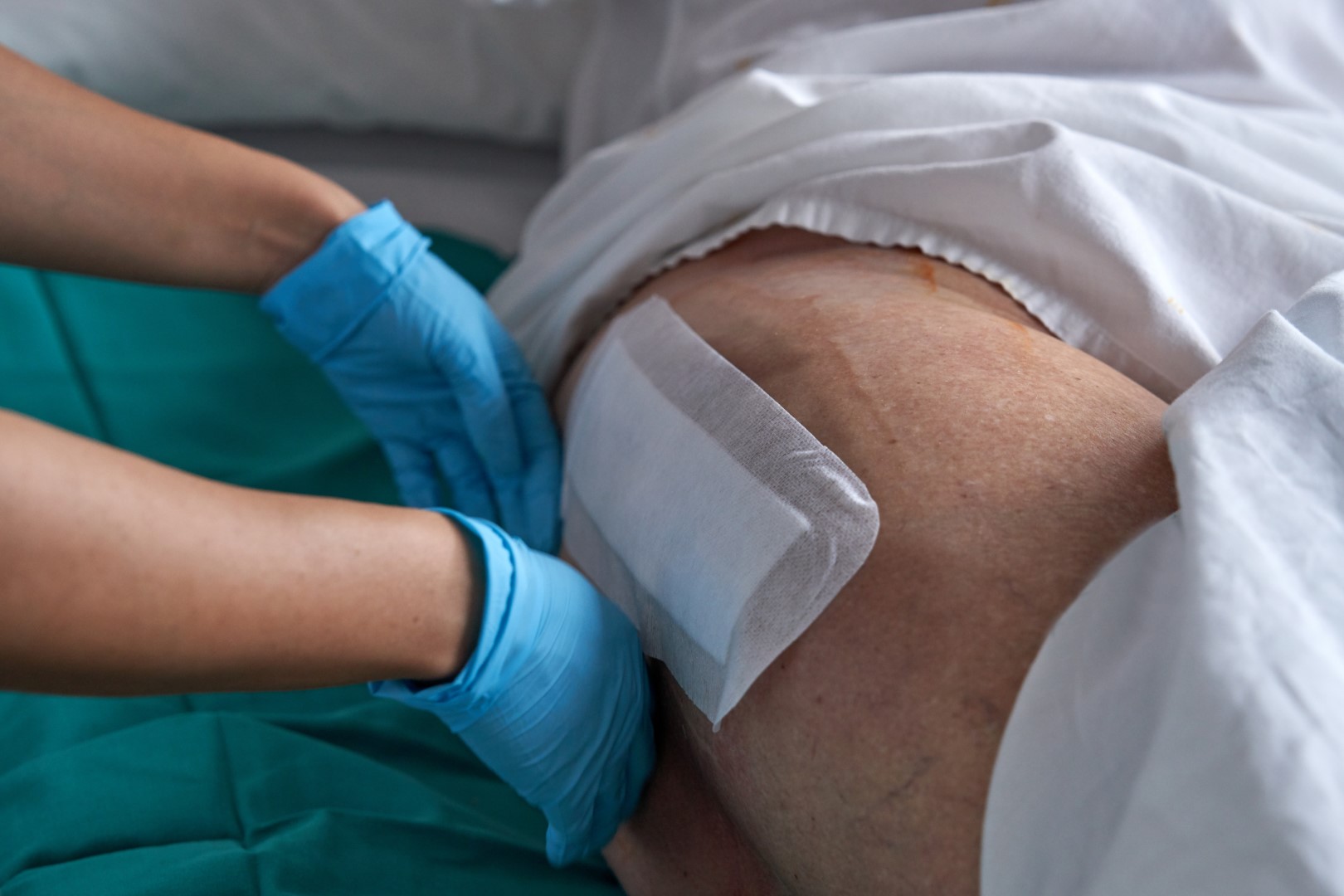
Poor circulation can create serious problems for the skin, especially in the legs and feet. When blood cannot move through the arteries well, tissue may not receive enough oxygen and nutrients. As a result, even a small scrape or pressure point can turn into a painful wound. This is one reason arterial ulcers can become difficult to heal without professional care.
At NYC Wound Care Center, patients receive personalized wound care for chronic and non-healing wounds. The team focuses on identifying the factors that delay healing, supporting tissue repair, and helping patients reduce the risk of complications. For arterial ulcers, that approach is especially important because the wound often reflects a deeper circulation issue.
What Are Arterial Ulcers?
Arterial ulcers are open sores that usually develop when arteries do not deliver enough oxygen-rich blood to the skin. They often appear on the feet, toes, ankles, or lower legs. Because the tissue already lacks strong blood flow, these wounds may heal slowly and feel painful.
Many people first notice a small sore, dark spot, or irritated area. However, the wound may grow or deepen over time. In some cases, the surrounding skin may look shiny, tight, pale, or cool. The area may also feel painful when the leg is elevated because gravity no longer helps blood flow reach the foot.
Since arterial ulcers can worsen quickly, early wound care matters. A wound specialist can evaluate the ulcer, look for infection, and recommend a treatment plan based on the patient’s needs.
How Poor Circulation Leads to Skin Breakdown
Healthy skin depends on strong circulation. Blood brings oxygen, nutrients, immune cells, and healing factors to injured tissue. However, when arteries narrow or harden, blood flow slows. This limits the body’s ability to repair even minor damage.
For example, a person may develop a small cut from footwear, dry skin, or pressure on the foot. With healthy circulation, the body often closes that wound naturally. However, poor circulation can interrupt the healing process. The skin may break down further, and the wound may remain open.
Additionally, weak blood flow can make infection harder to fight. Since immune cells travel through the bloodstream, poor circulation can reduce the body’s local defense response. Therefore, arterial ulcers need careful monitoring and advanced wound care.
Common Risk Factors for Arterial Ulcers
Several health conditions can increase the risk of arterial ulcers. Peripheral artery disease is one of the most common causes because it reduces blood flow to the legs and feet. Diabetes can also increase risk, especially when circulation problems combine with nerve damage.
Other risk factors may include smoking, high blood pressure, high cholesterol, kidney disease, older age, and a history of cardiovascular disease. In addition, people with limited mobility may develop wounds from pressure or friction that their body struggles to heal.
Because many risk factors overlap, patients should not ignore a slow-healing wound. Instead, they should seek professional care when a sore does not improve, becomes painful, changes color, drains fluid, or shows signs of infection.
Why Arterial Ulcers Can Be Hard to Heal
Arterial ulcers often need more than basic bandaging. Since poor blood flow contributes to the wound, the body may not deliver enough oxygen to rebuild tissue. This can leave the wound stuck in an inflammatory stage.
Also, dead tissue may collect in or around the wound. When this happens, healing slows and infection risk can rise. Professional wound care may include careful cleaning, debridement, infection management, and advanced dressings to create a healthier healing environment.
However, the right plan depends on the wound type and the patient’s overall health. That is why NYC Wound Care Center emphasizes individualized care. Their team evaluates each wound and recommends treatment designed to support healing while addressing contributing factors.
Signs You Should See a Wound Care Specialist
A wound should receive medical attention when it does not show steady improvement. This is especially true for people with diabetes, circulation issues, or a history of foot wounds.
You should consider professional wound care if you notice pain in the foot or leg, an open sore that will not close, black or darkened tissue, swelling, drainage, odor, redness, warmth, or increasing tenderness. You should also seek care if the wound appears deeper or exposes tissue beneath the skin.
Although some ulcers may look small at first, arterial ulcers can signal a serious circulation problem. Therefore, prompt treatment can help protect the surrounding tissue and reduce the risk of further complications.
How NYC Wound Care Center Supports Healing
NYC Wound Care Center provides specialized care for chronic wounds, including ulcers that require advanced attention. Their services may include wound cleaning, debridement, infection control, advanced wound dressings, negative pressure wound therapy, hyperbaric oxygen therapy, skin substitutes, and support for underlying health conditions.
This comprehensive approach matters because arterial ulcers often involve several healing barriers at once. The wound may need protection, moisture balance, pressure reduction, infection control, and improved oxygen support. In addition, patients may need education on wound care, footwear, nutrition, and warning signs.
Most importantly, NYC Wound Care Center treats the person, not just the wound. Their patient-centered care helps patients understand the healing process and stay involved in their treatment plan.
Early Care Can Help Prevent Complications
Arterial ulcers can become serious when they go untreated. Poor circulation may continue to damage tissue, and infection can spread. In advanced cases, patients may face hospitalization or more aggressive treatment.
Fortunately, early wound care can make a meaningful difference. A wound specialist can help identify the type of ulcer, clean the wound properly, protect the tissue, and recommend advanced therapies when needed. Additionally, coordinated care can help patients manage the health conditions that may slow healing.
Because each wound is different, patients should avoid waiting for an arterial ulcer to heal on its own. Timely care gives the body better support and helps reduce unnecessary risk.
Get Expert Care for Arterial Ulcers in New York City
Poor circulation can turn a small wound into a chronic problem. However, the right wound care team can help patients move forward with confidence. NYC Wound Care Center offers advanced, compassionate care for non-healing wounds and provides personalized treatment plans for each patient’s needs.
If you or a loved one has a slow-healing sore, painful foot wound, or suspected arterial ulcer, contact us today. The NYC Wound Care Center team is ready to help you take the next step toward better healing.