
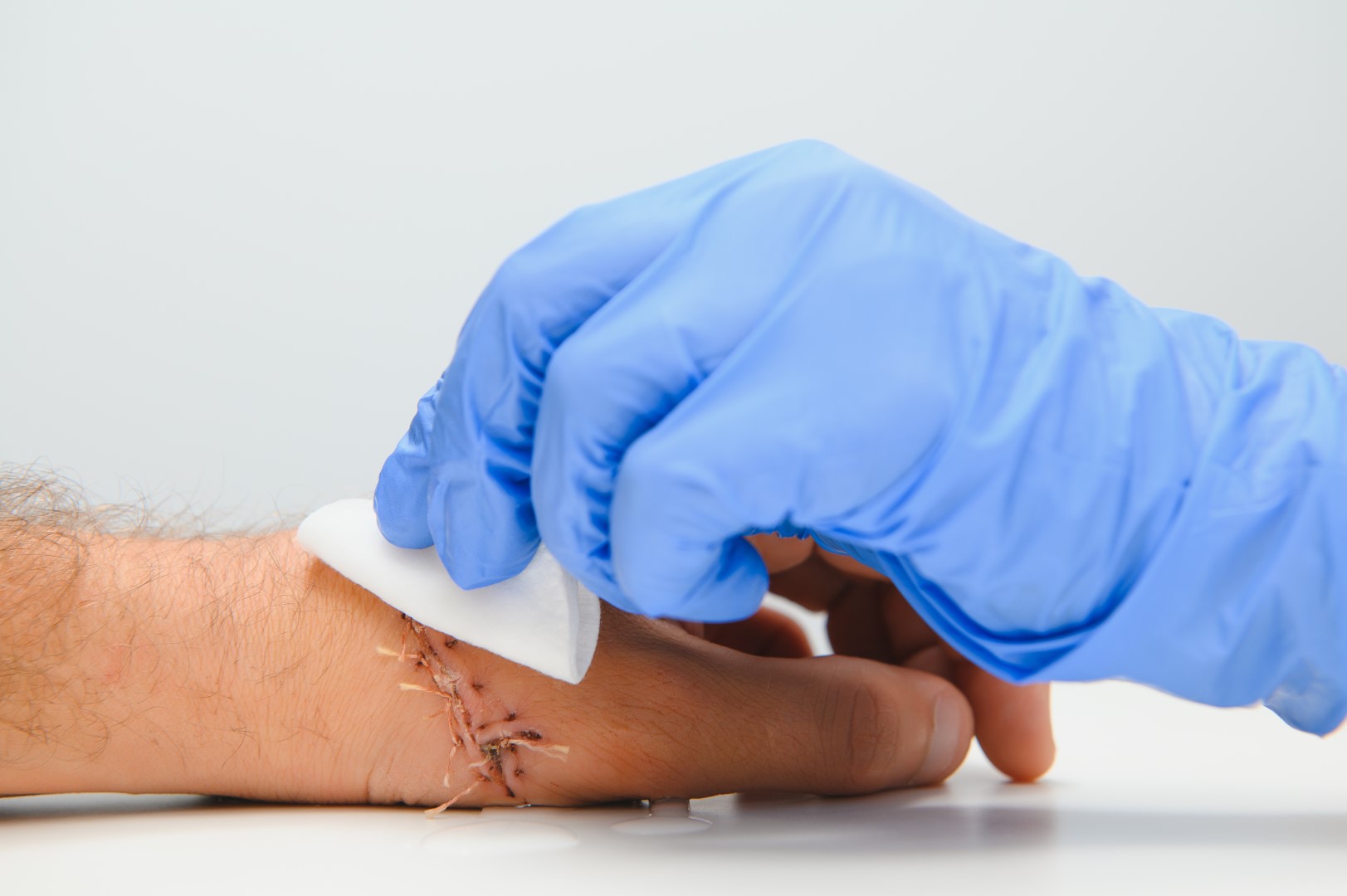
Surgery is often only the first step toward recovery. After a procedure, the incision also needs time and proper conditions to heal. Unfortunately, some surgical wounds do not progress as expected.
Infection, poor circulation, wound separation, and underlying medical conditions can interfere with recovery. Therefore, professional surgical wound care in NYC can become essential when an incision develops complications.
Specialized wound care goes beyond simply changing a bandage. Instead, wound care professionals evaluate why healing has slowed and create a treatment plan for the individual patient. At NYC Wound Care Center, patients can receive personalized care designed to promote healing while reducing the risk of further complications.
When Does a Surgical Wound Need Professional Care?
Some redness, tenderness, and swelling can occur after surgery. However, these symptoms should generally improve as the incision heals.
Changes that become worse instead of better deserve attention. Warning signs may include increasing redness, warmth, swelling, or pain. Additionally, unusual drainage or an unpleasant odor can signal a developing problem.
A surgical wound may also require professional evaluation when the incision begins opening or fails to make noticeable healing progress. Fever or chills can be especially concerning when combined with changes around the wound.
Patients should also watch for dark or damaged tissue surrounding an incision. These changes can indicate tissue breakdown that requires prompt medical evaluation.
When severe bleeding, rapidly spreading redness, high fever, confusion, difficulty breathing, or other emergency symptoms occur, seek immediate medical care.
Why Surgical Wounds Sometimes Heal Slowly
Successful wound healing depends on much more than the original surgical procedure.
The body needs adequate circulation, oxygen, nutrition, and immune function to rebuild damaged tissue. Consequently, conditions that interfere with these processes can delay recovery.
Diabetes, vascular disease, smoking, poor nutrition, and immune-system problems can all affect wound healing. Likewise, excess pressure or repeated movement around an incision can make recovery more difficult.
Infection can create another significant obstacle. Bacteria may damage healthy tissue and increase inflammation around the wound. As a result, an incision that initially appeared normal can begin deteriorating.
Professional surgical wound care in NYC helps identify these contributing factors instead of treating every wound the same way.
Professional Surgical Wound Care Addresses the Cause
One major advantage of specialized wound care is a more comprehensive evaluation.
A wound care professional examines the wound itself while also considering factors that may affect healing. These can include circulation, infection risk, medications, nutrition, mobility, and existing medical conditions.
That information helps guide an individualized treatment strategy.
For example, simply covering a wound may not solve a problem involving damaged tissue or excessive drainage. Similarly, a wound affected by poor blood flow may require a different approach than one primarily complicated by infection.
Therefore, finding the reason behind delayed healing can be just as important as caring for the visible wound.
Advanced Treatment Can Support Difficult Surgical Wounds
Routine postoperative wound care is often sufficient for uncomplicated incisions. However, difficult or non-healing wounds may benefit from more advanced treatment.
Depending on the wound, professional care may include specialized dressings and careful monitoring. Debridement may also be appropriate in certain cases to remove unhealthy or non-viable tissue.
Additionally, negative pressure wound therapy may help manage selected complex wounds. This treatment uses controlled negative pressure around the wound to assist with fluid management and the healing environment.
Some patients may also qualify for other advanced wound care options based on their condition.
Importantly, treatment should always reflect the wound’s characteristics and the patient’s overall health. There is no single solution that works for every surgical complication.
Early Wound Care Can Help Prevent Bigger Problems
Waiting for a complicated surgical wound to improve on its own can allow the underlying problem to progress.
For example, an untreated infection may spread beyond the original incision. Continued tissue breakdown can also make a wound larger or more difficult to manage.
Meanwhile, extended healing times can affect mobility and everyday activities. They can also create additional stress during an already challenging recovery.
Early professional evaluation provides an opportunity to identify problems before they become more extensive. Furthermore, regular wound monitoring allows treatment to change as the wound responds.
That ongoing oversight is an important difference between basic wound maintenance and specialized wound care.
Surgical Wound Care Should Be Personalized
Two patients can undergo similar procedures yet experience completely different recoveries.
Age, circulation, diabetes, nutrition, medications, immune function, and activity levels can all influence healing. Therefore, effective surgical wound care should account for the patient rather than focusing only on the incision.
NYC Wound Care Center emphasizes a patient-centered approach to wound management. Their team treats surgical wounds alongside other complex and chronic wound conditions.
Patients can also access care through multiple New York City locations. In addition, home-care options can provide added convenience when appropriate.
This individualized approach helps patients receive care based on their wound, health concerns, and recovery needs.
What Patients Can Do During Surgical Wound Recovery
Professional treatment works best when patients also follow their postoperative instructions closely.
Keep the wound clean and protected according to your healthcare provider’s directions. Additionally, wash your hands before touching the incision or changing a dressing.
Avoid activities that place unnecessary tension on the surgical area. Likewise, do not soak the wound unless your healthcare provider says doing so is safe.
Nutrition also matters. Adequate protein and nutrients provide the body with resources needed for tissue repair.
Most importantly, monitor the incision regularly. Contact your healthcare provider when symptoms worsen or healing appears to stall.
Get Expert Surgical Wound Care in NYC
A surgical complication does not always mean something has gone seriously wrong. However, a wound that becomes infected, opens, deteriorates, or stops healing deserves professional attention.
Specialized surgical wound care in NYC can help identify barriers to healing and provide treatment based on your individual needs.
NYC Wound Care Center provides comprehensive wound care for surgical wounds and other difficult-to-heal conditions. Their experienced team combines personalized care with advanced wound management options designed to support recovery.
If you are concerned about a surgical wound or experiencing delayed healing, contact us at NYC Wound Care Center to schedule an evaluation. Early attention can help protect the wound, address complications, and keep your recovery moving forward.