
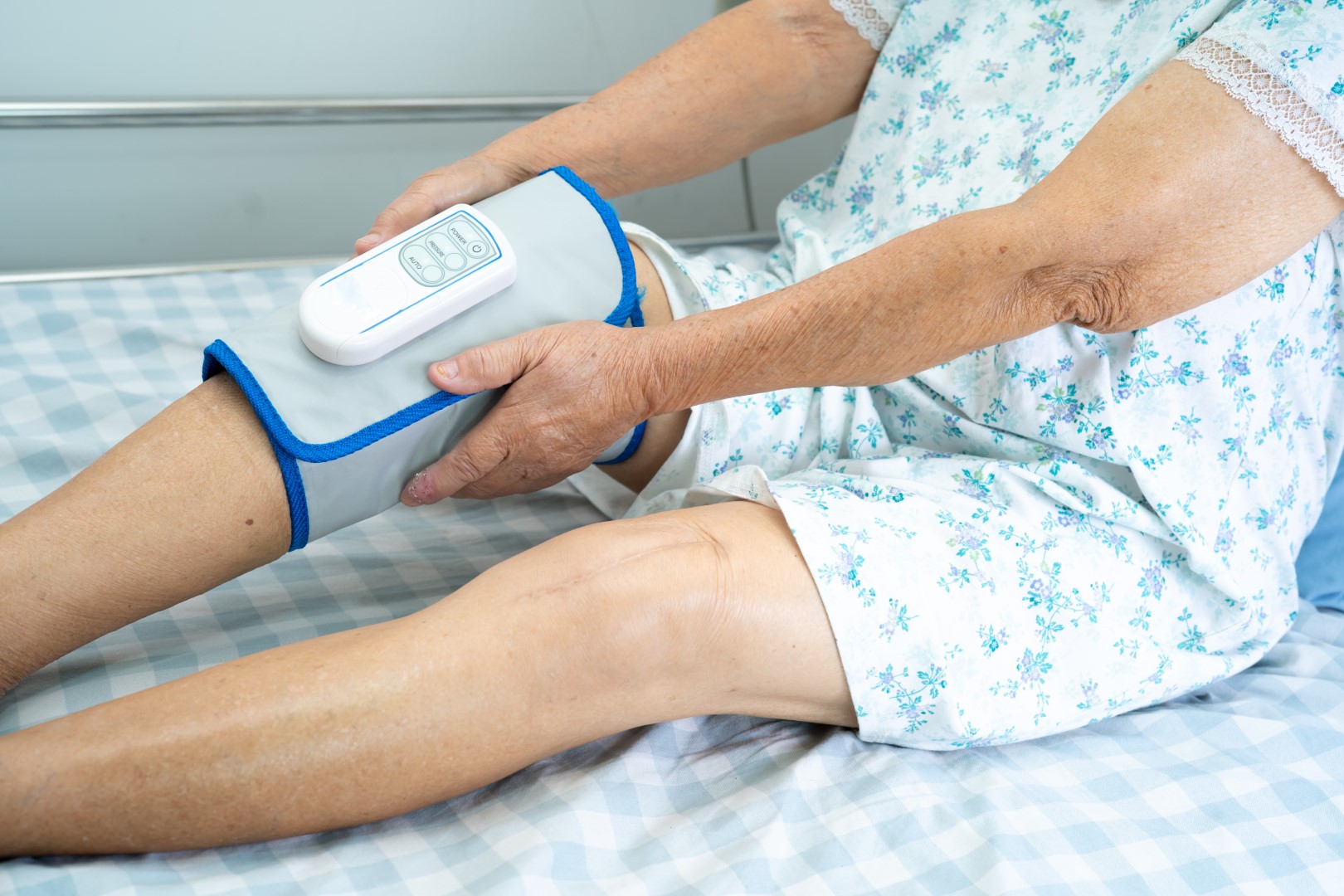
Venous ulcer treatment in NYC often starts with one major goal: improving circulation so the wound can heal. Venous ulcers usually form on the lower legs or near the ankles. They often develop when blood does not move back toward the heart as efficiently as it should. As a result, pressure builds in the veins, swelling increases, and the skin can break down.
Because these wounds can linger, worsen, or return without proper care, patients should not wait to seek help. At NYC Wound Care Center, patients receive personalized wound care plans that address the wound, the skin around it, and the underlying factors that may slow healing. For many patients, compression therapy plays a key role in that plan.
Why Venous Ulcers Need Specialized Wound Care
A venous ulcer is not just a surface-level sore. Instead, it is often connected to circulation issues, swelling, inflammation, and skin changes in the lower leg. Therefore, simply covering the wound may not be enough.
Common signs of a venous ulcer may include an open sore, drainage, swelling, aching, skin discoloration, or irritation around the wound. Additionally, some patients notice heaviness in the legs or discomfort that worsens after standing for long periods.
Specialized venous ulcer treatment in NYC can help patients avoid complications. At NYC Wound Care Center, the team focuses on thorough assessment, advanced wound care techniques, and patient education. This matters because successful wound healing often requires consistent care, not guesswork.
How Compression Therapy Helps Venous Ulcers Heal
Compression therapy uses carefully applied pressure to support better blood flow in the legs. In many cases, this pressure helps move fluid out of swollen tissue and encourages blood to return upward toward the heart. As swelling decreases, the wound environment can improve.
For venous ulcers, compression therapy may help:
- Reduce leg swelling
- Support healthier circulation
- Decrease fluid buildup around the wound
- Improve comfort and mobility
- Lower the risk of wound recurrence after healing
- Help dressings stay in place more effectively
However, compression must be used correctly. Too little pressure may not help enough. On the other hand, too much pressure or the wrong type of compression may create problems, especially for patients with arterial disease or other circulation concerns. For this reason, patients should receive a professional evaluation before starting compression therapy.
What to Expect During Venous Ulcer Treatment in NYC
At NYC Wound Care Center, venous ulcer treatment in NYC begins with understanding the wound and the patient’s overall health. The care team may evaluate the wound size, drainage, surrounding skin, signs of infection, pain level, swelling, and medical history.
Then, the treatment plan may include compression therapy along with other wound care services. Depending on the wound, care may also involve cleaning, debridement, infection control, advanced wound dressings, skin substitutes, or additional therapies.
Debridement may help remove unhealthy tissue so the wound can progress through the healing process. Advanced dressings may help manage moisture and protect the wound. Additionally, therapies such as negative pressure wound therapy, hyperbaric oxygen therapy, or Vaporous Hyperoxia Therapy may support hard-to-heal wounds when appropriate.
This personalized approach helps patients receive care that fits their specific condition. Moreover, it allows the wound care team to adjust treatment as the wound changes.
Why Compression Therapy Works Best With a Complete Care Plan
Compression therapy can be highly valuable, but it works best as part of a broader wound care strategy. Venous ulcers often involve more than one contributing factor. For example, swelling, infection risk, nutrition, mobility, diabetes, vascular health, and skin condition may all affect healing.
Therefore, a complete plan may include ongoing wound checks, dressing changes, patient education, and guidance for at-home care. Patients may also receive instructions on leg elevation, skin protection, activity, and warning signs that need medical attention.
This support is especially important for patients who have dealt with the same wound for weeks or months. Chronic wounds can feel frustrating. However, with the right plan, many patients gain a clearer path toward healing.
When to Seek Professional Venous Ulcer Care
Patients should seek professional care if a leg wound does not heal, drains heavily, becomes painful, smells unusual, or shows signs of infection. Redness, warmth, increased swelling, fever, or spreading discoloration should also be taken seriously.
Additionally, patients with diabetes, circulation problems, limited mobility, or a history of recurring wounds should not delay care. Early treatment can help reduce the risk of serious complications.
NYC Wound Care Center provides compassionate, advanced care for patients dealing with chronic and complex wounds. Their team focuses on individualized treatment, modern wound care techniques, and education that helps patients feel more confident throughout the healing process.
Take the Next Step Toward Healthier Legs
Venous ulcer treatment in NYC should focus on more than covering the wound. It should address circulation, swelling, infection risk, and long-term prevention. Compression therapy can play a major role in that process, especially when it is guided by experienced wound care professionals.
If you or a loved one has a slow-healing leg wound, NYC Wound Care Center can help. Their team offers personalized treatment plans, advanced wound care options, and supportive guidance from assessment through recovery. Contact us today to schedule an appointment and take the next step toward better healing.