
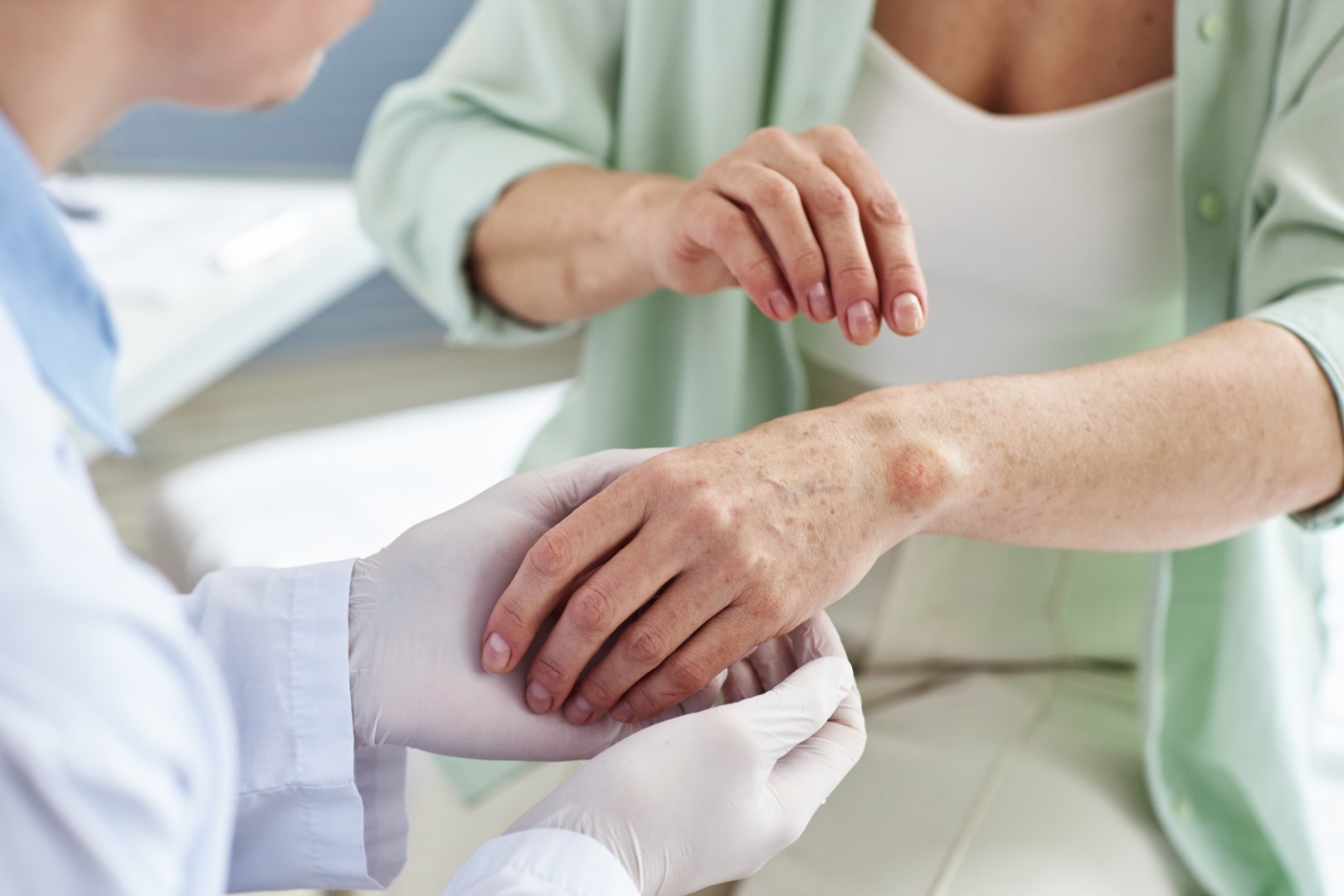
Chronic wounds are more than a minor inconvenience. In many cases, they signal underlying health issues that require specialized attention. Knowing when to seek professional care for chronic wounds can help prevent infections, prolonged pain, and serious complications. At NYC Wound Care Center, patients receive advanced, physician-led care designed to address complex wounds and support long-term healing.
Unlike minor cuts that heal on their own, chronic wounds linger for weeks or months. As a result, they often worsen without proper intervention. Early evaluation by a wound care specialist can significantly improve healing outcomes while reducing the risk of long-term damage. Understanding the warning signs and acting promptly is essential for protecting your overall health.
What Defines a Chronic Wound
A wound is generally considered chronic when it does not show meaningful healing progress within four weeks. Instead of moving through the normal healing stages, the wound becomes stalled. This delay often occurs because of poor circulation, repeated pressure, infection, or underlying medical conditions.
Common types of chronic wounds include diabetic foot ulcers, venous leg ulcers, arterial ulcers, pressure ulcers, and radiation-induced wounds. Each type has distinct causes and challenges. Therefore, professional evaluation plays a critical role in determining the correct treatment approach.
At NYC Wound Care Center, chronic wounds are treated with a comprehensive strategy that focuses on both the wound itself and the conditions preventing healing.
Key Signs It Is Time to Seek Professional Care
Many people delay treatment because they expect a wound to heal eventually. However, certain symptoms indicate that professional care is necessary. Paying attention to these signs can help you decide when to seek professional care for chronic wounds.
One major warning sign is delayed healing. If a wound remains open after several weeks with little improvement, it should be evaluated by a specialist. Additionally, persistent or worsening pain often suggests infection or tissue damage beneath the surface.
Other important signs include increasing redness, swelling, warmth, or tenderness around the wound. These symptoms frequently point to infection. Unusual drainage, especially if it has a foul odor or thick consistency, is another serious concern. Changes in skin color, temperature, or texture around the wound may also indicate circulation problems that require immediate attention.
The Role of Underlying Health Conditions
Chronic wounds rarely exist in isolation. Instead, they are often linked to broader health issues that interfere with the body’s ability to heal. For example, diabetes can damage nerves and blood vessels, reducing sensation and slowing healing, particularly in the feet.
Poor circulation caused by arterial disease limits oxygen and nutrient delivery to tissues. As a result, wounds struggle to close. Venous insufficiency, on the other hand, leads to fluid buildup and increased pressure in the legs, making healing difficult. Radiation therapy can also damage surrounding tissue and blood vessels, creating wounds that resist standard treatments.
Because of these complexities, identifying and managing underlying conditions is a crucial part of deciding when to seek professional care for chronic wounds.
Why Professional Wound Care Makes a Difference
Professional wound care goes far beyond basic cleaning and bandaging. At NYC Wound Care Center, specialists begin with a thorough assessment to understand why the wound is not healing. This evaluation allows for a targeted treatment plan tailored to each patient’s needs.
Advanced therapies are often used to promote healing and reduce infection risk. These may include specialized dressings, negative pressure wound therapy, and advanced oxygen-based treatments. Additionally, infection management and circulation assessment play a central role in preventing complications.
Another key benefit of professional care is coordinated, multidisciplinary treatment. By addressing nutrition, circulation, pressure management, and overall health, wound care specialists create a more effective healing environment.
What to Expect During a Wound Care Evaluation
During your initial visit, the care team conducts a detailed examination of the wound. This includes measuring its size and depth, evaluating tissue health, and checking for signs of infection. Medical history is also reviewed to identify conditions that may be slowing healing.
Based on these findings, a personalized treatment plan is developed. This plan evolves as the wound responds to care. Ongoing monitoring ensures adjustments are made quickly when needed, which helps shorten healing time and improve outcomes.
Risks of Delaying Professional Care
Waiting too long to seek care can lead to serious consequences. Infections may spread to deeper tissues or enter the bloodstream. Tissue damage can progress, increasing the risk of surgical intervention or amputation in severe cases.
Furthermore, untreated chronic wounds often result in ongoing pain and reduced mobility. These issues can significantly impact quality of life. Recognizing when to seek professional care for chronic wounds helps avoid these preventable complications.
Taking the Next Step Toward Healing
Chronic wounds require specialized attention, and early intervention leads to better results. If a wound is not healing, shows signs of infection, or is associated with conditions like diabetes or poor circulation, professional evaluation is essential.
NYC Wound Care Center provides advanced, patient-focused treatment designed to address complex wounds and promote lasting healing. If you or a loved one is struggling with a non-healing wound, now is the time to take action. Contact NYC Wound Care Center to schedule an evaluation and begin a personalized path toward recovery.