
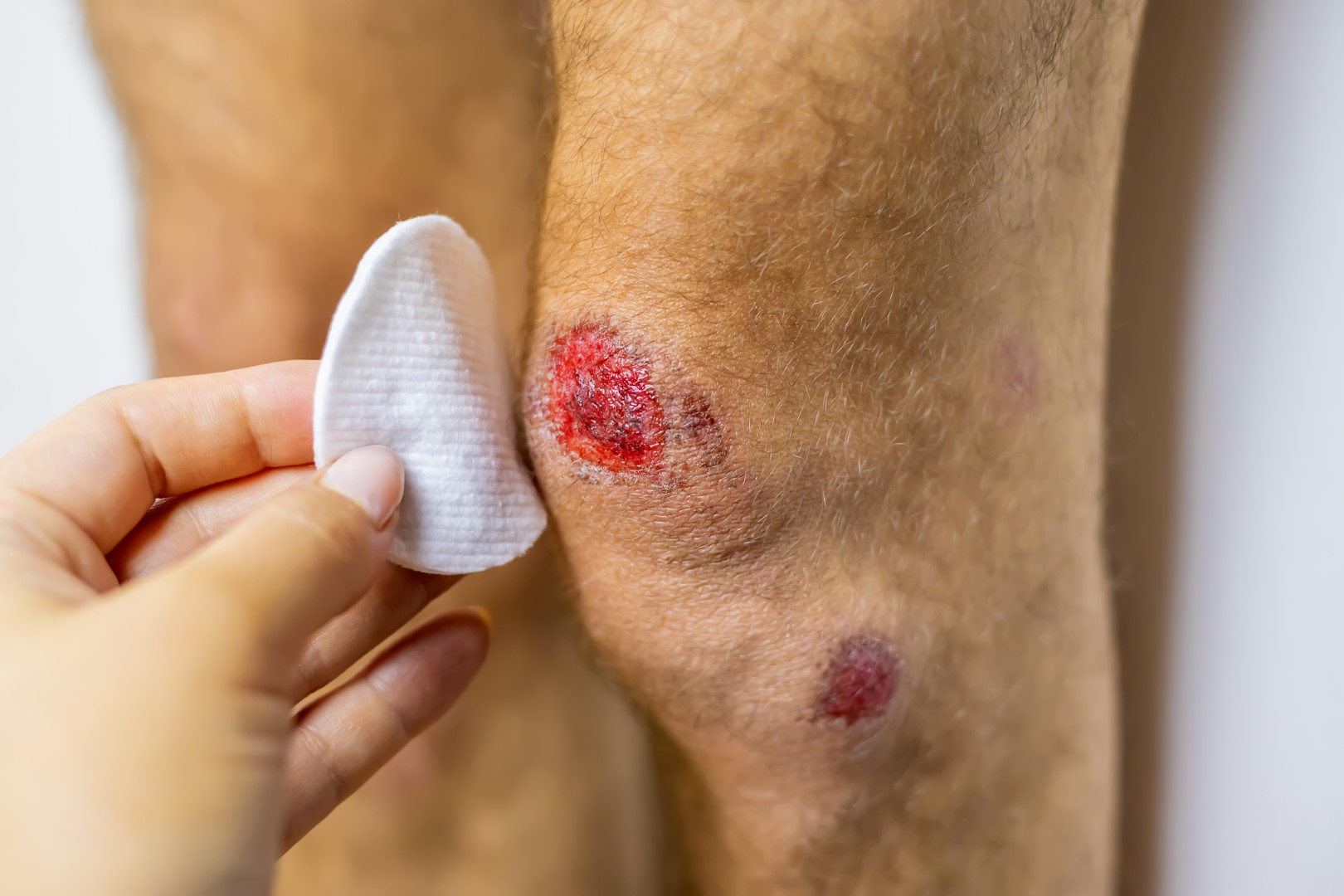
Pressure ulcers, also known as bedsores, are a serious medical condition that requires prompt and expert care. At NYC Wound Care Center, patients receive advanced treatment solutions designed to promote healing and prevent complications. Understanding the stages, symptoms, and treatment options for pressure ulcers is essential for early intervention and better outcomes.
What Are Pressure Ulcers?
Pressure ulcers are injuries to the skin and underlying tissue caused by prolonged pressure, often over bony areas such as the hips, heels, or tailbone. These wounds commonly develop in individuals with limited mobility, including those who are bedridden or use wheelchairs.
Additionally, factors like poor circulation, friction, moisture, and inadequate nutrition can increase the risk. Therefore, early detection and professional wound care are critical to preventing these injuries from worsening.
Pressure Ulcer Stages Explained
Pressure ulcers are categorized into four main stages based on severity. Each stage requires a different level of care and intervention.
Stage 1: Early Skin Changes
Stage 1 pressure ulcers are the mildest form. The skin remains intact but shows noticeable changes.
Common signs include:
- Red, discolored, or darkened skin
- Tenderness or itching
- Changes in temperature or firmness
At this stage, the damage is still reversible if treated quickly. Relieving pressure and protecting the skin are essential steps.
Stage 2: Partial Skin Loss
Stage 2 ulcers involve partial-thickness skin loss. The outer layer of skin is damaged, creating a shallow wound.
Symptoms may include:
- Open sores or blisters
- Pink or red wound base
- Mild swelling or drainage
At this point, professional wound care becomes increasingly important. Proper cleaning, dressing, and monitoring help prevent infection and progression.
Stage 3: Deep Tissue Damage
Stage 3 pressure ulcers extend deeper into the skin, reaching the fatty tissue beneath.
Key characteristics include:
- Deep crater-like wounds
- Possible odor or drainage
- Increased risk of infection
Because of the depth of tissue damage, specialized care is necessary. Treatment often involves removing dead tissue and managing infection risks.
Stage 4: Severe Tissue Loss
Stage 4 is the most advanced stage, involving extensive damage to muscles, tendons, or even bone.
Symptoms include:
- Large, deep wounds
- Visible muscle or bone
- Significant drainage and odor
These ulcers require immediate medical attention. Advanced wound care techniques, including surgical intervention, may be necessary to promote healing.
Common Symptoms of Pressure Ulcers
Recognizing symptoms early can prevent complications. While symptoms vary by stage, some common warning signs include:
- Persistent redness or discoloration
- Pain or tenderness
- Swelling or warmth
- Open sores or blisters
- Drainage or foul odor
In more severe cases, infection may develop. Signs of infection can include fever, pus, and increased pain, requiring urgent care.
Effective Pressure Ulcer Treatment Options
Pressure ulcer treatment depends on the stage and severity of the ulcer. However, all treatment plans share a common goal: relieving pressure and promoting healing.
Pressure Relief and Positioning
First and foremost, reducing pressure on the affected area is critical. Patients may need to change positions frequently or use specialized cushions and mattresses.
Wound Cleaning and Dressing
Keeping the wound clean is essential for preventing infection. Healthcare providers use specialized dressings to protect the wound and support healing.
Debridement and Advanced Care
For deeper ulcers, removing dead tissue is often necessary. This process, known as debridement, helps the body heal more effectively and reduces infection risk.
Nutritional Support
Proper nutrition plays a vital role in recovery. Adequate protein, hydration, and essential nutrients support tissue repair and overall health.
Infection Management
If infection is present, targeted treatments such as antibiotics may be required. Monitoring for complications is an important part of ongoing care.
Why Choose NYC Wound Care Center for Pressure Ulcer Treatment?
NYC Wound Care Center specializes in advanced pressure ulcer treatment tailored to each patient’s needs. Their experienced team understands the complexities of pressure ulcers and uses evidence-based treatments to deliver optimal results.
Patients benefit from:
- Comprehensive wound evaluations
- Customized treatment plans
- Advanced healing technologies
- Compassionate, patient-focused care
Because pressure ulcers can worsen quickly, partnering with a specialized wound care provider ensures faster healing and reduces the risk of serious complications.
Get Expert Pressure Ulcer Treatment Today
Pressure ulcers require timely attention and expert care. Whether you are experiencing early symptoms or managing a more advanced wound, NYC Wound Care Center is here to help.
Their team is dedicated to improving patient outcomes through innovative treatments and personalized care plans. Contact us today to schedule a consultation and take the first step toward effective pressure ulcer treatment.