
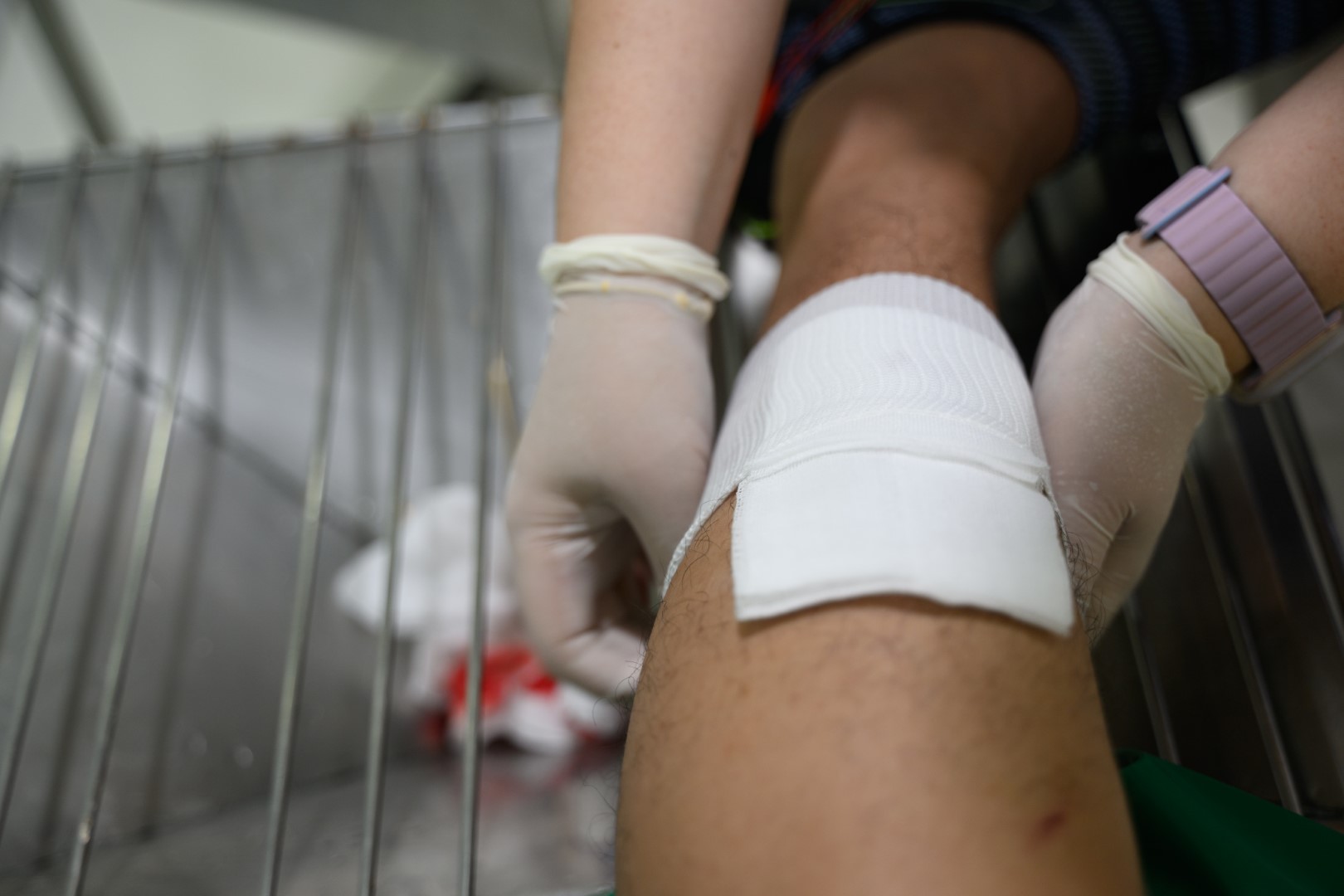
Most cuts, scrapes, and other minor injuries gradually heal with proper care. However, some wounds remain open or repeatedly break down. These wounds may require specialized treatment to address both the injury and the factors interfering with healing.
Understanding chronic wound causes and prevention can help patients recognize risks before complications develop. Diabetes, circulation problems, prolonged pressure, and other medical factors can all interfere with normal healing.
At NYC Wound Care Center, our specialists provide personalized care for chronic and non-healing wounds. Identifying what is preventing healing is an important part of developing an effective treatment plan.
What Is a Chronic Wound?
A chronic wound is a wound that does not progress through the normal healing process as expected. Instead, healing may slow, stop, or repeatedly reverse.
Chronic wounds frequently affect the feet and lower legs. However, they can occur elsewhere depending on their underlying cause.
Common types include diabetic foot ulcers, venous ulcers, arterial ulcers, and pressure ulcers. Surgical and radiation-induced wounds may also become difficult to heal.
Because these wounds have different causes, proper evaluation matters. Simply covering a wound may not address the condition preventing it from healing.
Diabetes and Diabetic Foot Ulcers
Diabetes is one of the most important factors associated with chronic wounds. Over time, diabetes can affect both circulation and nerve function.
Reduced sensation can make a small foot injury difficult to notice. Meanwhile, circulation problems can make it harder for damaged tissue to receive the resources needed for healing.
Therefore, people with diabetes should inspect their feet regularly. Look for cuts, blisters, redness, swelling, skin changes, or areas of unusual pressure.
Properly fitting footwear can also reduce unnecessary friction and pressure. Additionally, patients should work with their healthcare providers to manage their diabetes appropriately.
NYC Wound Care Center provides specialized care for diabetic foot ulcers and other difficult-to-heal wounds.
Poor Arterial Circulation
Healthy tissue needs a consistent supply of oxygen-rich blood. When arterial circulation becomes restricted, wounds may receive insufficient oxygen and nutrients.
Consequently, even a relatively small injury can become difficult to heal. Arterial ulcers commonly develop on the feet, toes, ankles, or lower legs.
Cold feet, changes in skin appearance, reduced pulses, and leg pain while walking may accompany circulation problems. However, symptoms vary between patients.
Reducing cardiovascular risk factors can help protect vascular health. Additionally, unexplained wounds on the feet or legs should receive professional evaluation.
Importantly, suspected arterial wounds require appropriate vascular assessment. Treatment strategies that work for other ulcers may not be suitable for arterial wounds.
Venous Insufficiency and Venous Ulcers
Veins carry blood back toward the heart. When veins in the legs do not function effectively, blood can collect in the lower extremities.
This increased pressure can contribute to swelling and skin changes. Eventually, the affected tissue may become more vulnerable to chronic wounds.
Venous ulcers often appear around the ankle or lower leg. Patients may also notice swelling, discoloration, itching, or a feeling of heaviness.
Managing venous disease can play an important role in chronic wound causes and prevention. Depending on the patient, treatment may include compression therapy, wound dressings, leg elevation, and management of underlying venous insufficiency.
However, compression is not appropriate for every wound. A wound care professional should determine the underlying cause before recommending treatment.
Prolonged Pressure and Limited Mobility
Continuous pressure can restrict blood supply to the skin and underlying tissues. As a result, pressure ulcers may develop.
People with limited mobility face a particularly high risk. Pressure ulcers frequently occur over bony areas, including the heels, hips, tailbone, and sacrum.
Regular repositioning can help reduce prolonged pressure. Appropriate support surfaces and careful skin monitoring can also play important preventive roles.
Additionally, moisture should be managed because excessive moisture can make skin more vulnerable to damage.
Caregivers should routinely inspect high-risk areas. Early skin changes may provide an opportunity to intervene before deeper tissue damage develops.
Infection and Delayed Healing
Infection can complicate an existing wound and interfere with healing. Therefore, changes in a wound should never be ignored.
Warning signs can include increasing redness, warmth, swelling, pain, drainage, or an unpleasant odor. Fever or chills may indicate a more serious infection requiring prompt medical attention.
Keeping wounds appropriately cleaned and dressed can help reduce complications. However, patients should follow professional instructions instead of experimenting with products or home remedies.
If a wound begins worsening rather than improving, seek medical evaluation.
Nutrition, Smoking, and Other Healing Factors
Successful wound healing requires more than treating the skin. Overall health also influences the body’s ability to repair damaged tissue.
Poor nutrition can interfere with tissue repair. Therefore, patients should discuss nutritional concerns with an appropriate healthcare professional.
Smoking can also impair circulation and tissue oxygenation. Consequently, stopping smoking can support overall vascular health and wound healing.
Certain illnesses, medications, immune system problems, and age-related factors may also influence recovery. This is another reason personalized wound care is so important.
How Can Chronic Wounds Be Prevented?
Not every chronic wound can be prevented. However, several habits can help reduce avoidable risks.
Patients can regularly inspect vulnerable skin, especially the feet and lower legs. Additionally, they should manage diabetes and circulation problems with their healthcare providers.
Reducing prolonged pressure is especially important for people with limited mobility. Proper nutrition, appropriate footwear, and following wound-care instructions can also support prevention.
Most importantly, do not ignore a wound that is failing to improve. Early evaluation can help identify the underlying problem before the wound becomes more difficult to manage.
When Should You See a Wound Care Specialist?
A wound deserves professional attention when it remains open, repeatedly returns, or shows little improvement. Increasing pain, swelling, drainage, odor, or skin discoloration also warrant evaluation.
Likewise, patients with diabetes or known circulation problems should be especially cautious about wounds involving the feet and lower legs.
Chronic wounds often involve more than the visible injury. Effective care may require addressing circulation, pressure, infection, blood sugar, or another underlying issue.
Therefore, specialized wound care can provide a more comprehensive approach than simply treating the wound’s surface.
Get Specialized Chronic Wound Care in New York City
Understanding chronic wound causes and prevention is an important first step. However, a wound that is already struggling to heal may require professional treatment.
NYC Wound Care Center provides personalized care for chronic and complex wounds. Services include chronic wound management and care for diabetic foot, pressure, venous, arterial, surgical, radiation-induced, and sacral wounds.
Depending on each patient’s needs, treatment options may include wound cleaning and debridement, advanced dressings, infection management, compression, offloading, negative pressure wound therapy, or other advanced therapies.
The center offers both in-clinic and home care options, helping patients access treatment that fits their circumstances.
If you or someone you care for has a wound that is not healing properly, contact us at NYC Wound Care Center. Our wound care specialists can evaluate the wound, identify factors affecting healing, and develop a personalized treatment plan.